
Oil & Gas Fundamental
Oil and gas are fundamental to the global economy, playing a crucial role in transportation, electricity generation, and industrial processes. The industry is vast and understanding its fundamentals involves grasping its structure, the nature of hydrocarbons, and the various stages of production and distribution.
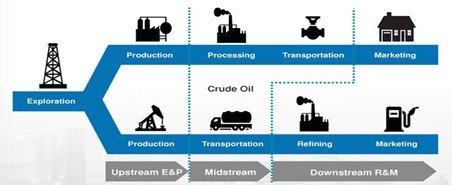
Industry Structure
The oil and gas industry is typically divided into three main segments: upstream, midstream, and downstream.
- Upstream: This segment focuses on the exploration and production (E&P) of oil and gas. It involves searching for reservoirs, drilling wells, and extracting the raw materials. E&P companies are often valued based on their oil and gas reserves, which are the untapped resources that represent future earnings.
- Midstream: This segment is responsible for the transportation and storage of oil and gas from the wells to refineries and other processing facilities. This includes pipelines, trucking, shipping, and storage facilities.
- Downstream: This segment involves refining crude oil into usable products like gasoline, jet fuel, and heating oil, as well as the marketing and distribution of these products to consumers.
What is crude oil and what are petroleum products?
“We call crude oil and petroleum fossil fuels because they are mixtures of hydrocarbons that formed from the remains of animals and plants (diatoms) that lived millions of years ago in a marine environment before dinosaurs existed. Over millions of years, the remains of these animals and plants were covered by layers of sand, silt, and rock. Heat and pressure from these layers turned the remains into what we now call crude oil or petroleum. The word petroleum means rock oil or oil from the earth.”
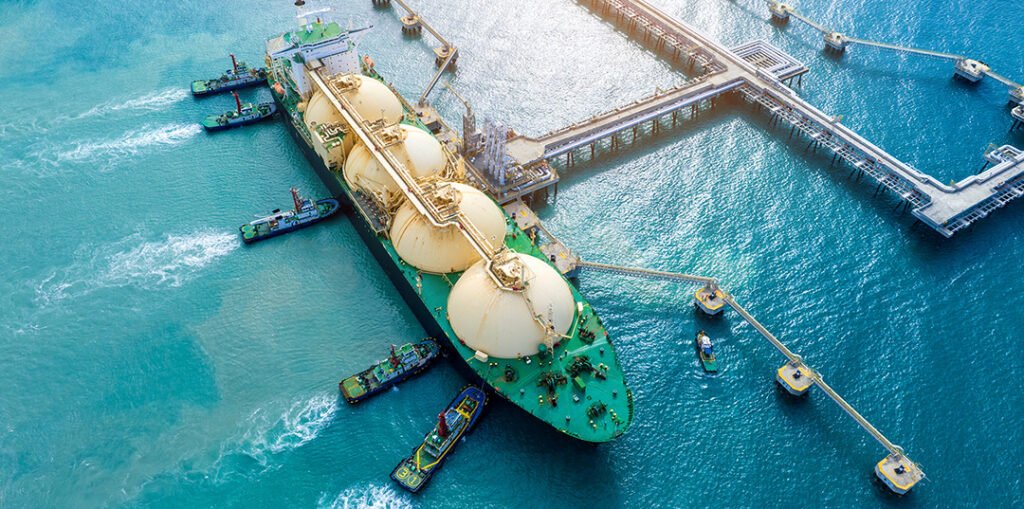
Crude oil and natural gas
Crude oil and natural gas are hydrocarbons, which are naturally occurring substances composed of hydrogen and carbon atoms. These hydrocarbons are formed over millions of years from the remains of plants and animals in sedimentary rocks. The specific composition of hydrocarbons determines their properties and uses. They are used as energy sources and the main source of hydrocarbons is crude oil. Hydrocarbons serve as the backbone of modern energy and manufacturing.
Not all crude oil is the same
“The physical characteristics of crude oil determine how refineries process it. In simple terms, crude oils are classified by density (API gravity) and sulfur content. Less dense (lighter) crude oils (with higher API gravity) generally have more light hydrocarbons. Refineries can produce high-value products such as gasoline, diesel fuel, and jet fuel from light crude oil with simple distillation. When refineries use simple distillation on denser (heavier) crude oils (with lower API gravity), they produce low-value products. Heavy crude oils require additional, more expensive processing to produce high-value products. Some crude oils also have a high sulfur content, which is an undesirable characteristic in both processing and product quality.”